Protect your valuable trees from structural failure with professional cabling and bracing systems. Preserve what nature built with expert care.
Tree cabling involves installing flexible steel cables between major limbs to reduce the strain on heavy or weakly attached branches. This technique is especially effective for trees with codominant stems, long horizontal limbs, or branches that have developed included bark -- a condition where bark grows between two stems, creating a weak attachment point.
Cabling does not harm the tree. Instead, it provides supplemental support that allows the tree to continue growing safely while significantly reducing the risk of branch failure during storms or high winds.

When a tree's trunk or major limbs show signs of splitting, cracking, or structural weakness, bracing provides the rigid support needed to hold the tree together. Steel rods are installed through the weak point to reinforce the connection and prevent further separation.
Bracing is often used in combination with cabling for maximum effectiveness. Together, these systems can extend the safe life of a valuable tree by decades, saving you the cost of removal while preserving the beauty and shade your tree provides.
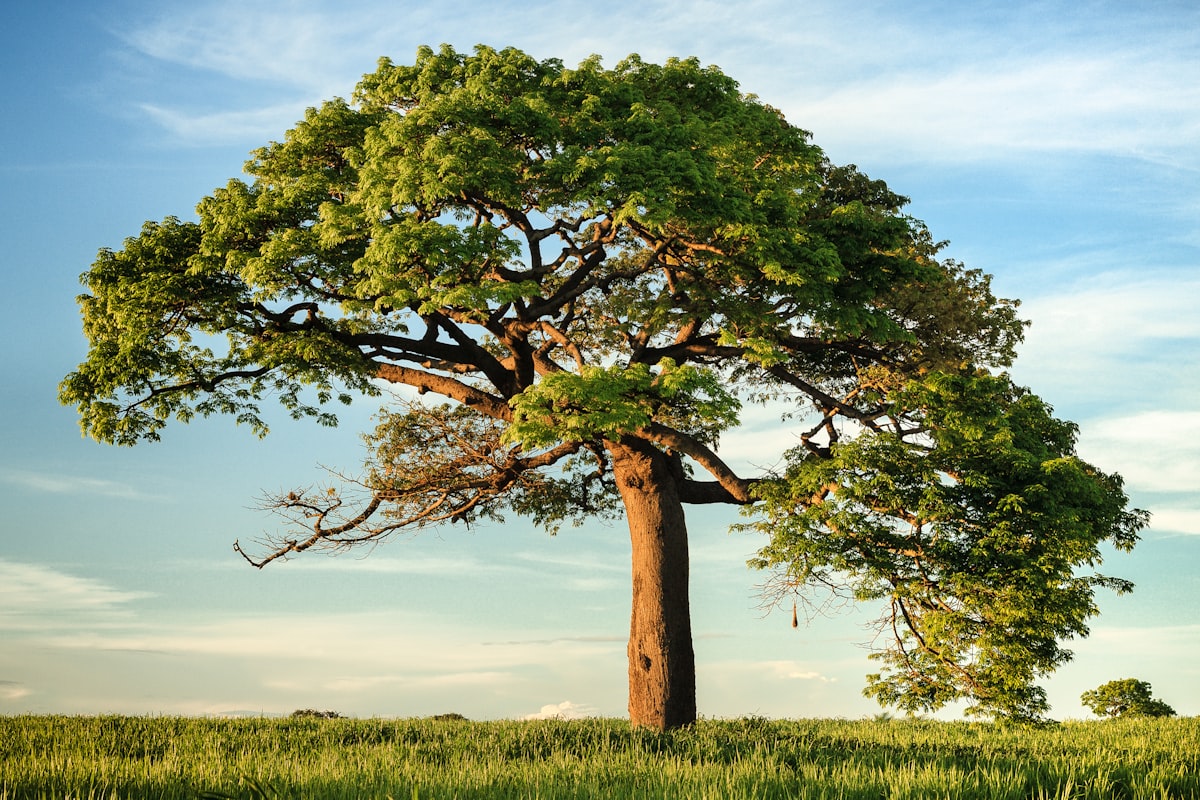
Not sure if your tree needs cabling, bracing, or removal? Our comprehensive tree risk assessment evaluates the overall health, structural integrity, and hazard potential of your trees. We examine root stability, trunk condition, branch attachment strength, and canopy balance to determine the best course of action.
A professional risk assessment can save you money by identifying trees that can be preserved with support systems rather than removed entirely. It also gives you peace of mind knowing exactly which trees on your property may pose a risk during severe weather.
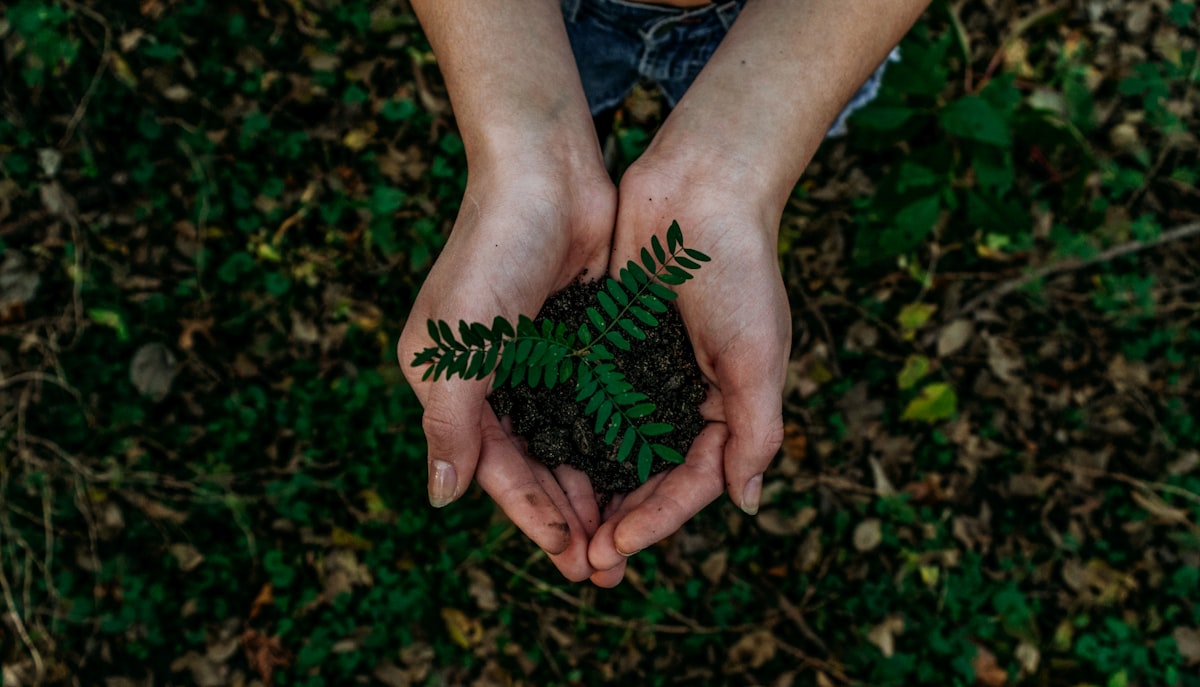
Trees with co-dominant stems, heavy overextended limbs, or a history of storm damage are the most common candidates for cabling. If you notice a V-shaped fork in the trunk or branches that seem to lean excessively, a professional assessment can determine if cabling is right for your tree.
Cabling provides structural support but does not heal existing damage. It reduces the risk of further splitting or failure by redistributing the mechanical load on weakened areas. For trees with significant decay or disease, removal may be the safer option.
Modern steel cable systems are durable and long-lasting. We recommend having cables professionally inspected every 3 years to ensure they remain properly tensioned and have not been compromised by tree growth or weather conditions.
Call us today for a free consultation or fill out our contact form.
